

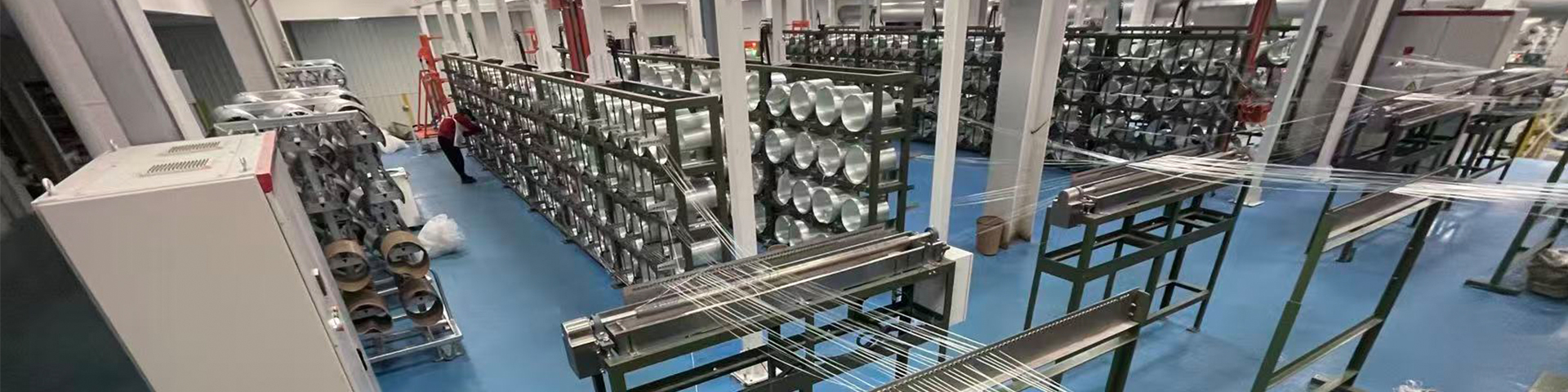
As one of the most dynamic high-tech industries in the world today, the biopharmaceutical industry is driving the rapid advancement of global healthcare with its innovative technological strength and far-reaching medical impact. However, the strict requirements for high purity and high biological activity of biopharmaceuticals have made separation and purification technology a key constraint on industrial development.
Against this background, tangential flow filtration technology, with its high efficiency and cost-effectiveness, provides strong technical support for the separation and purification stages in biopharmaceutical processes, and has become an important force promoting continuous innovation, optimization and upgrading of the biopharmaceutical industry.
As one of the most dynamic high-tech industries in the world today, the biopharmaceutical industry is driving the rapid development of global healthcare with its innovative technological strength and far-reaching medical impact. However, the stringent requirements for high purity and high bioactivity of biopharmaceuticals have made separation and purification technology a key factor restricting industrial development. Against this background, tangential flow filtration technology, with its high efficiency and cost-effectiveness, provides strong technical support for the separation and purification processes in biopharmaceutical manufacturing, and has become a major force driving the continuous innovation, optimization and upgrading of the biopharmaceutical industry.
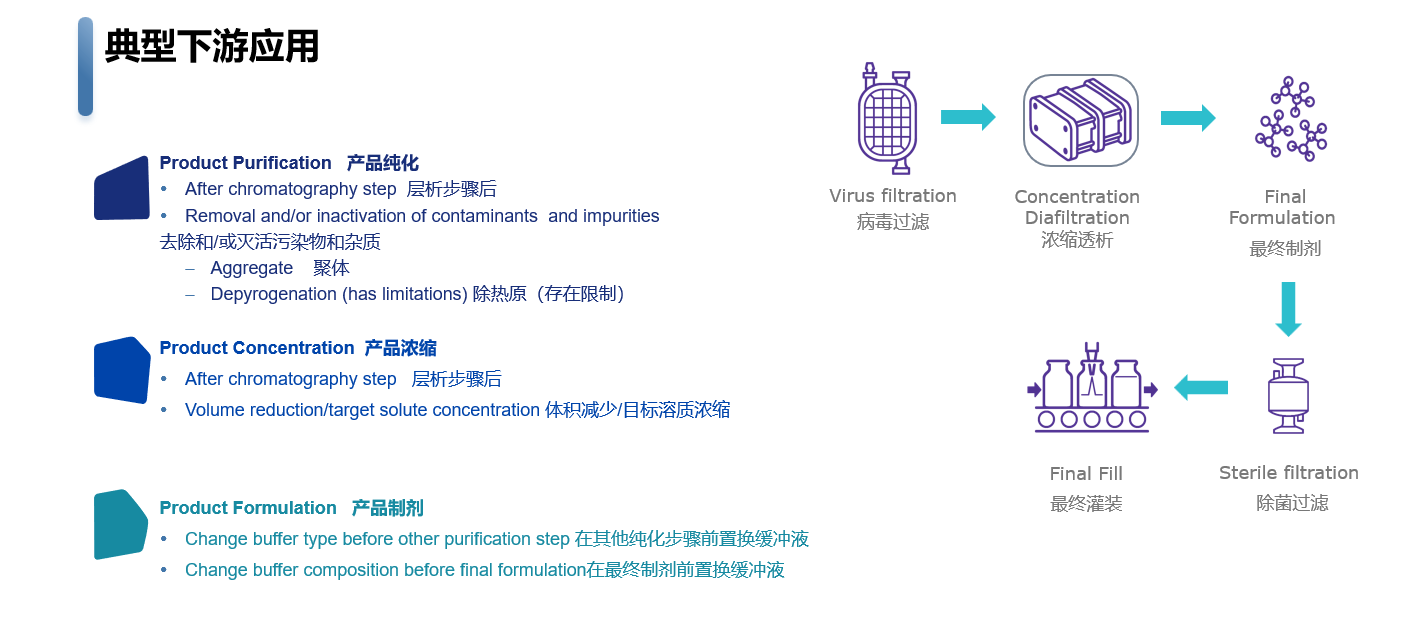
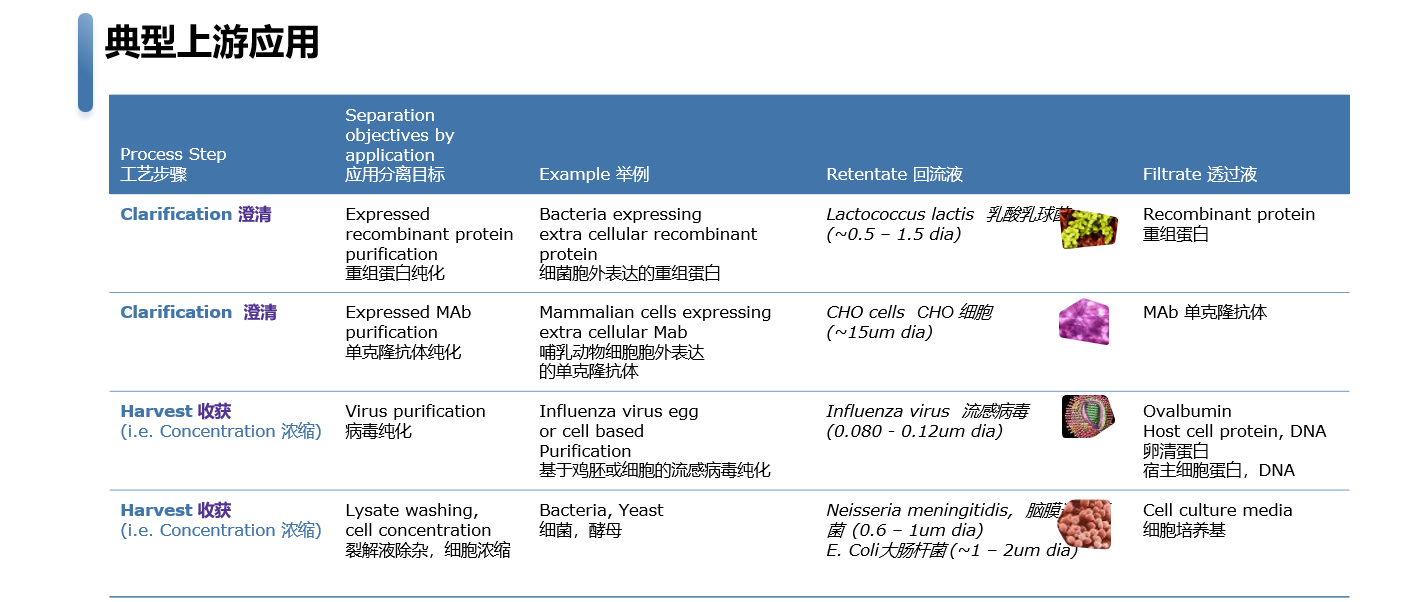
Tangential Flow Ultrafiltration (TFF) enables rapid and efficient separation and purification of biomolecules. It can be used for concentration and desalting of sample solutions ranging from as small as 10 mL up to thousands of liters. It is also applicable to the separation of biomolecules of different sizes, collection of cell suspensions, and clarification of fermentation broths and cell lysates.
In tangential flow (also known as cross-flow) ultrafiltration, a pump drives fluid across the surface of the filter membrane, sweeping away retained molecules and minimizing membrane fouling. Pressure is generated in the retentate stream immediately adjacent to the membrane, forcing solutes and small molecules to pass through the membrane, thereby completing filtration.
The mechanism of TFF can be illustrated by a simulated experiment of separating sand and pebbles using a fine sieve: the sieve pores represent the membrane pores, while sand and pebbles represent the molecules to be separated.
In dead-end filtration, the sand–pebble mixture is forced directly toward the sieve. As smaller sand particles pass through, a layer of pebbles forms on the sieve surface, blocking sand above from reaching and passing through the pores (Figure 1). Increasing pressure in dead-end filtration only compresses the mixture and does not improve separation.
Therefore, tangential flow ultrafiltration achieves higher efficiency in biomolecule separation, with faster concentration or diafiltration.
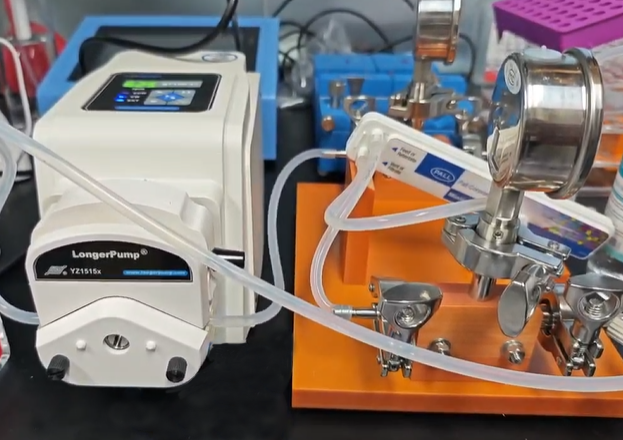
A DNA laboratory in Chicago, USA, faced a series of challenges in a project involving the concentration of gold-conjugated antibodies.
Tangential Flow Filter Membrane Selection
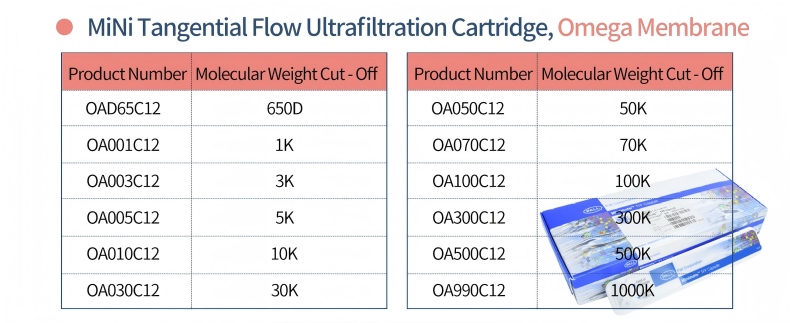
Minimate Cassette
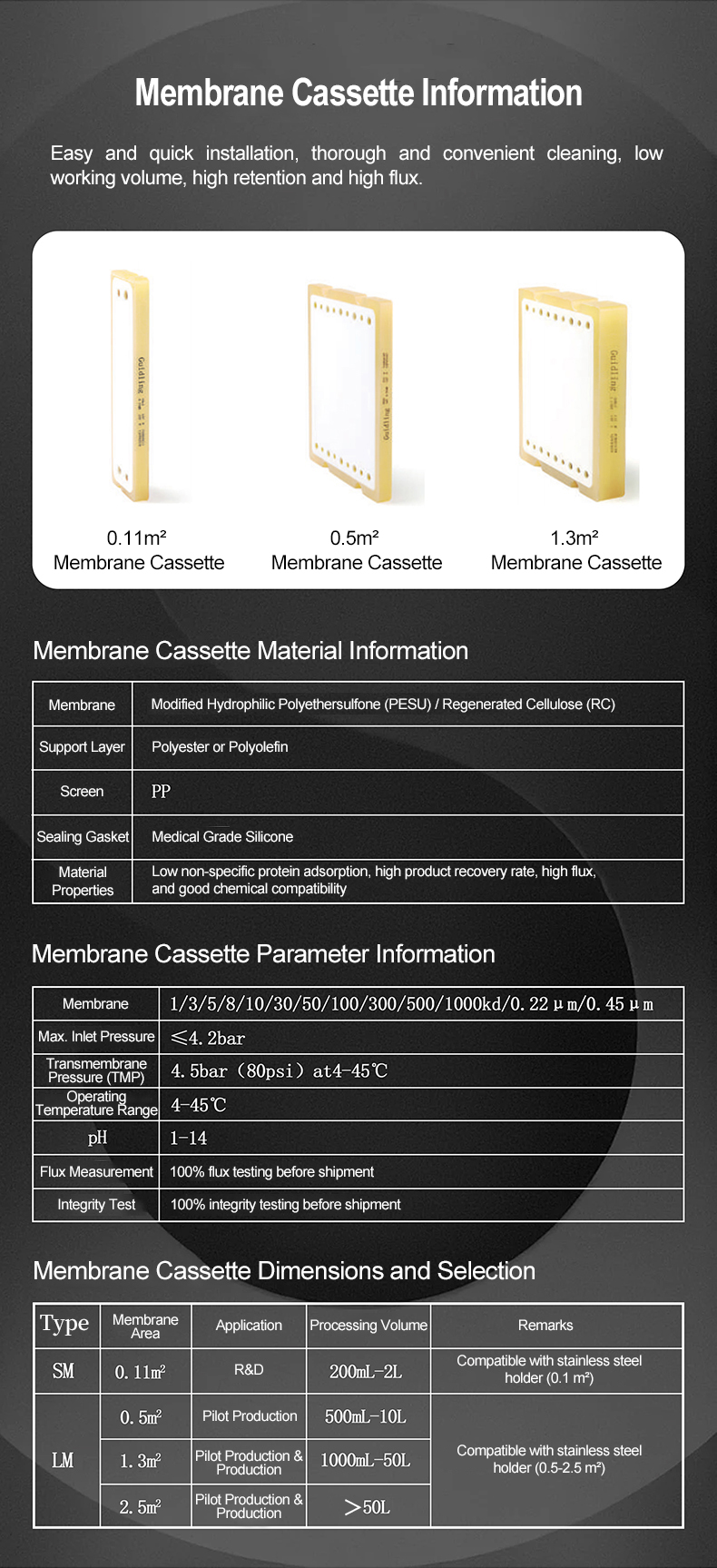
PESU Ultrafiltration Membrane Package
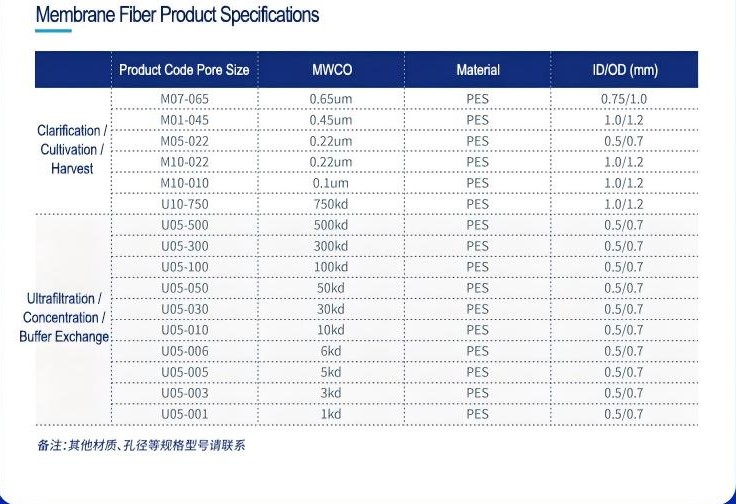
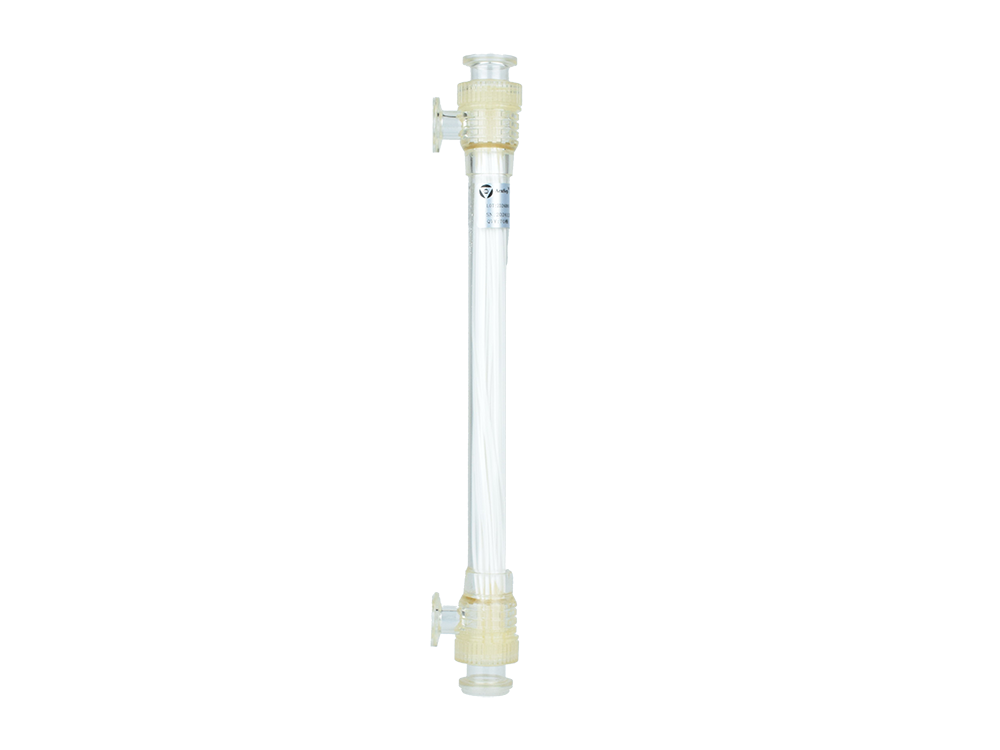
Hollow Fiber Membrane
Selection of Fixture System for Nabu Fluid
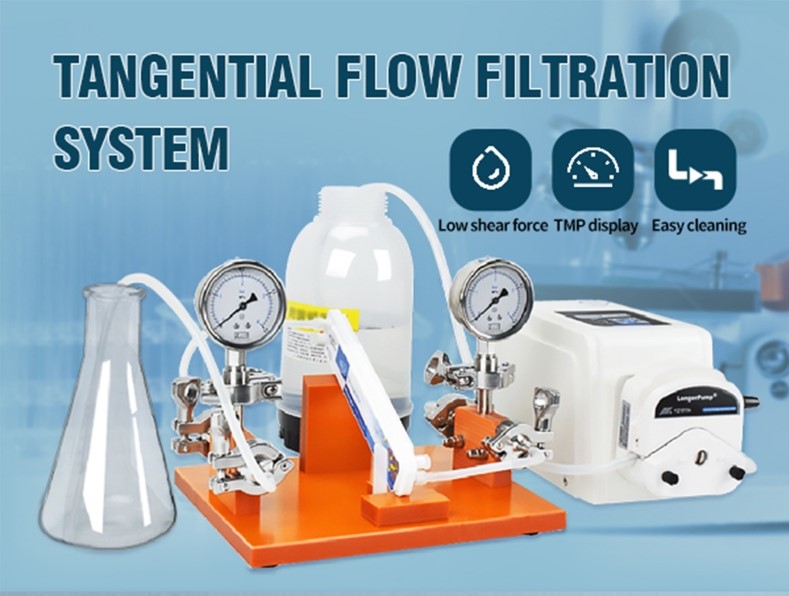
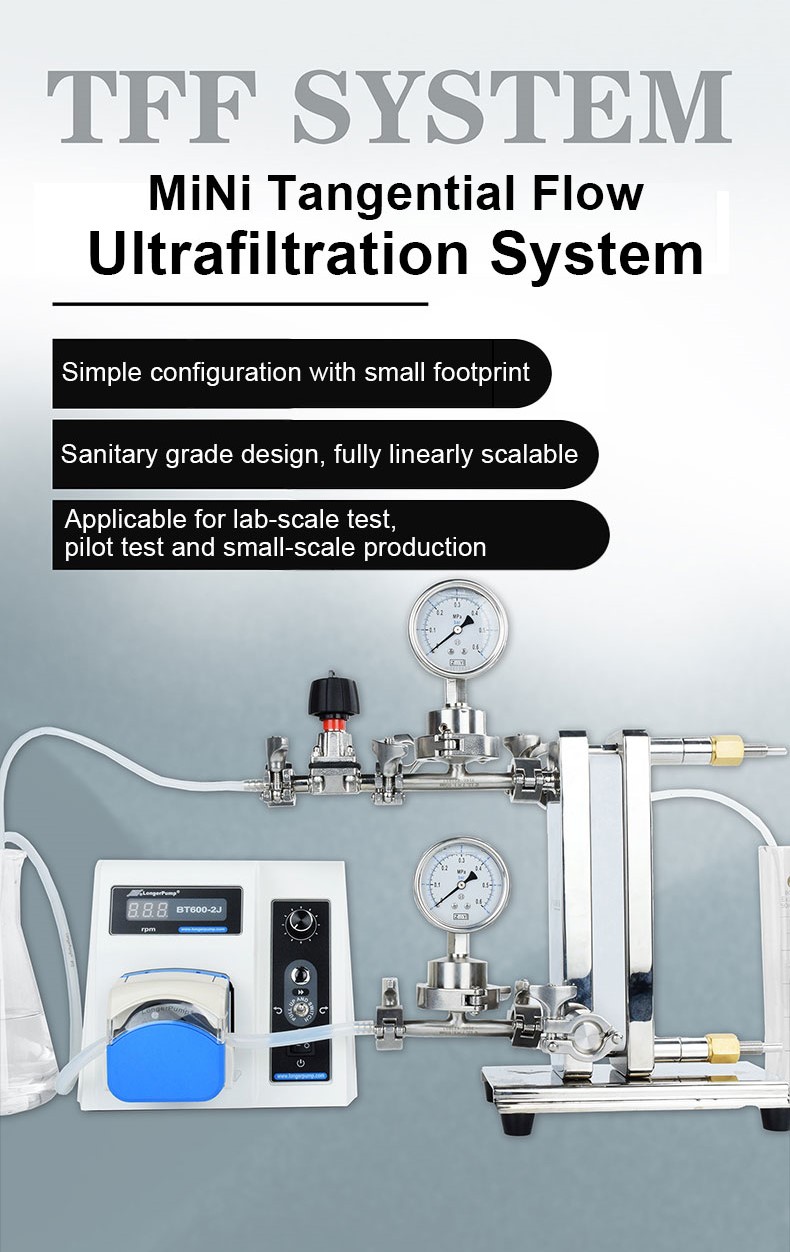
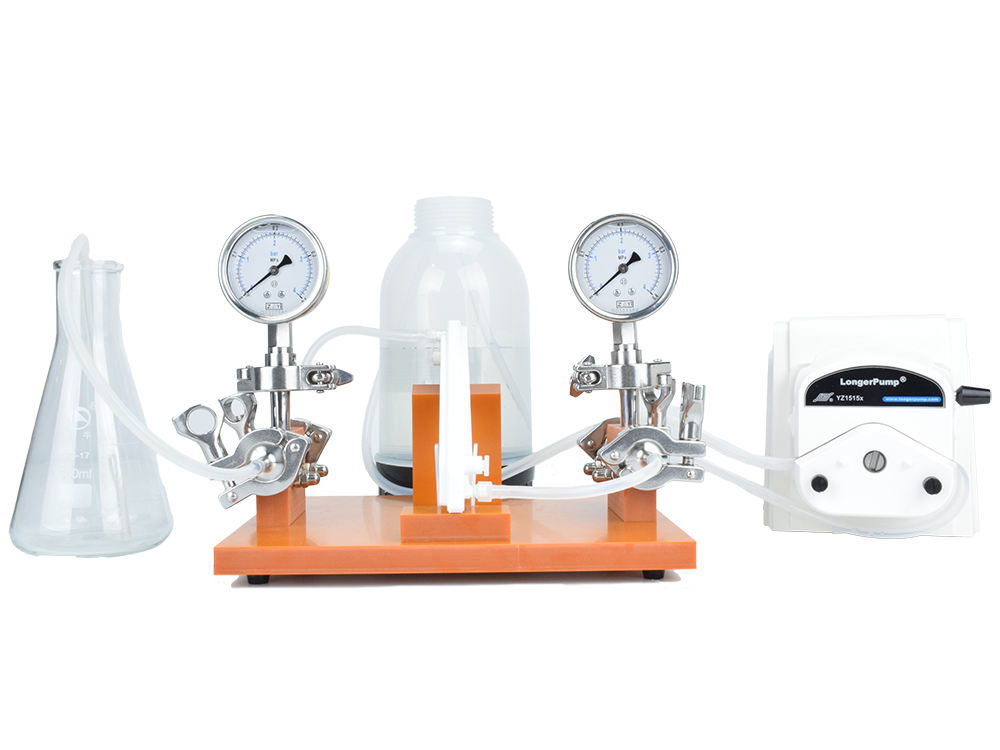
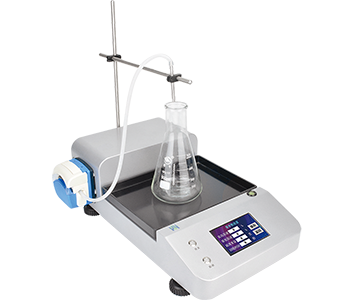
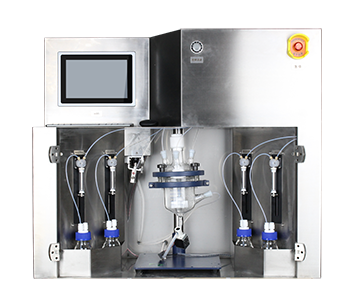
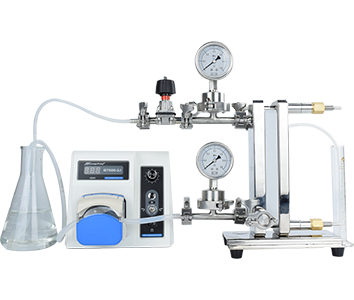
Mimi TFF System
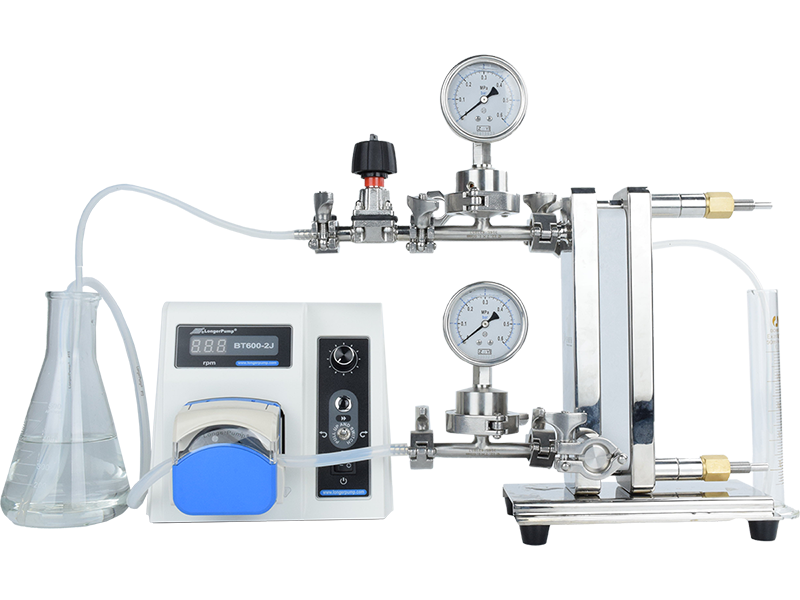
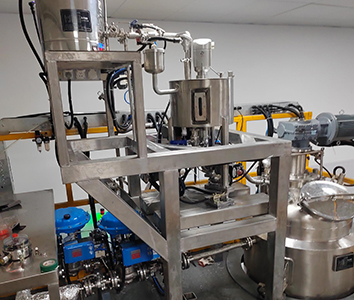
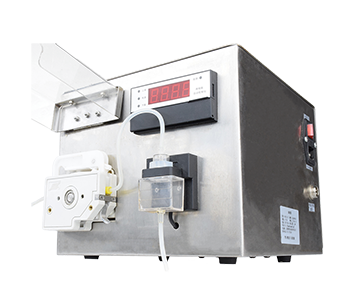
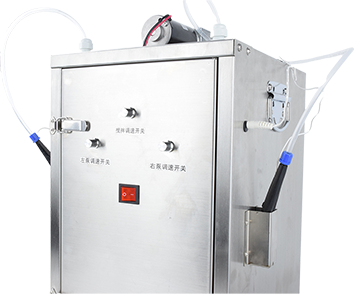
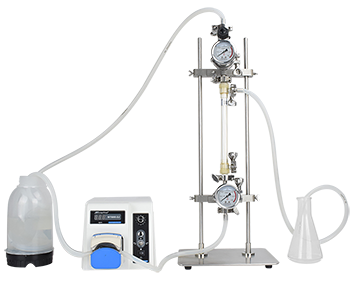
Stainless Steel Fixture System
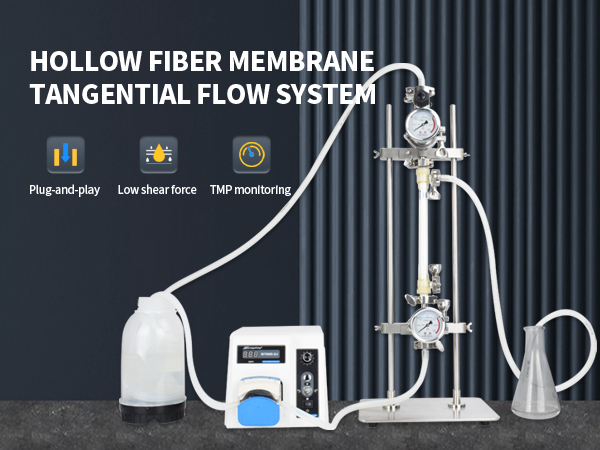
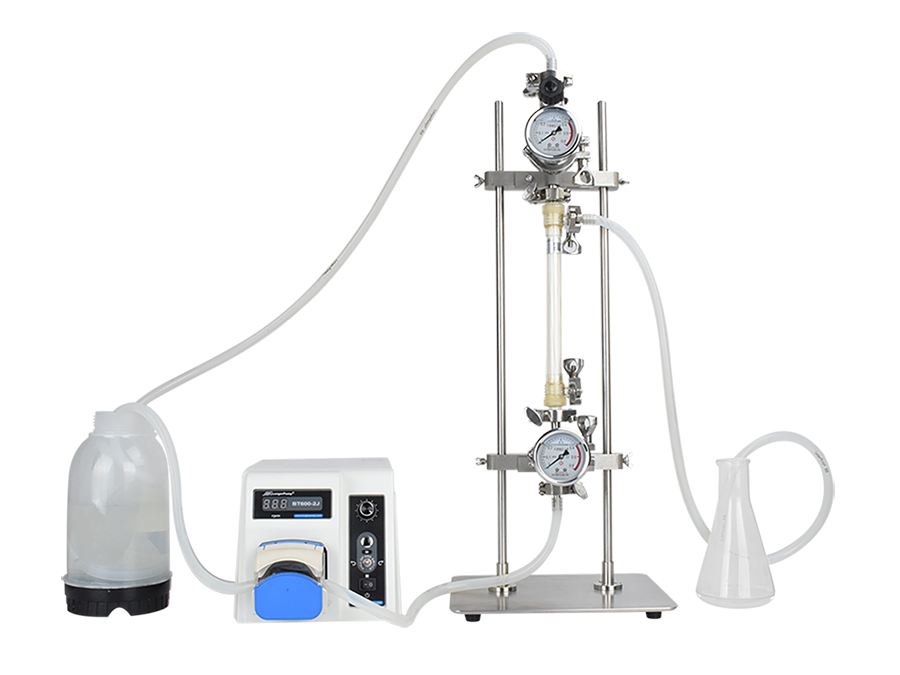
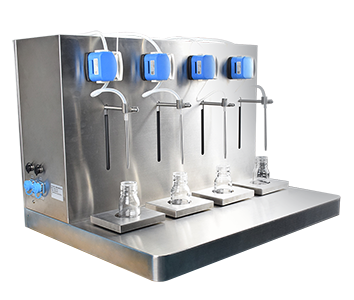
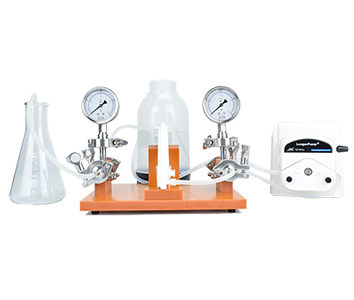
Hollow fiber column tangential flow system
The application value of this customized solution is reflected in the following aspects:
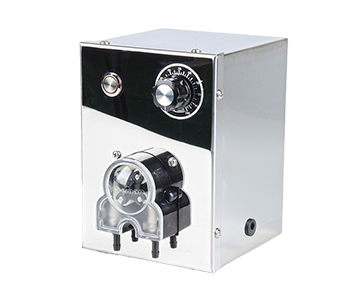
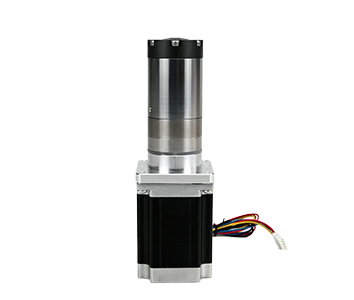
When transferring fluids containing solid particles, the low shear force characteristic of Longer peristaltic pumps ensures smooth fluid delivery, preventing pump clogging and wear.
Flow error is less than 2%, guaranteeing accurate control of dialysate volume.
The high-reliability design of Longer peristaltic pumps eliminates liquid leakage during long-term continuous operation, reducing the loss of high-value biomolecules.
The PharMed silicone tubing supplied by Longer features excellent corrosion and abrasion resistance, with a service life of more than 10,000 hours, greatly minimizing leakage losses caused by tubing rupture during high-value solution transfer.
We pride ourselves on customer service and are committed to providing five-star support. If you have any questions about our products, please feel free to call or send an email to us.

Professional Integrator of Automated Liquid Handling System Equipment
Room 108, 1st Floor, Building 3, 666 Songhuang Road, Qingpu District, Shanghai
1st Floor, Building A, Chuangye Center No. 295 Jingxiu Street, Jingxiu District Baoding City, Hebei Province, China



 English
 简体中文
简体中文